

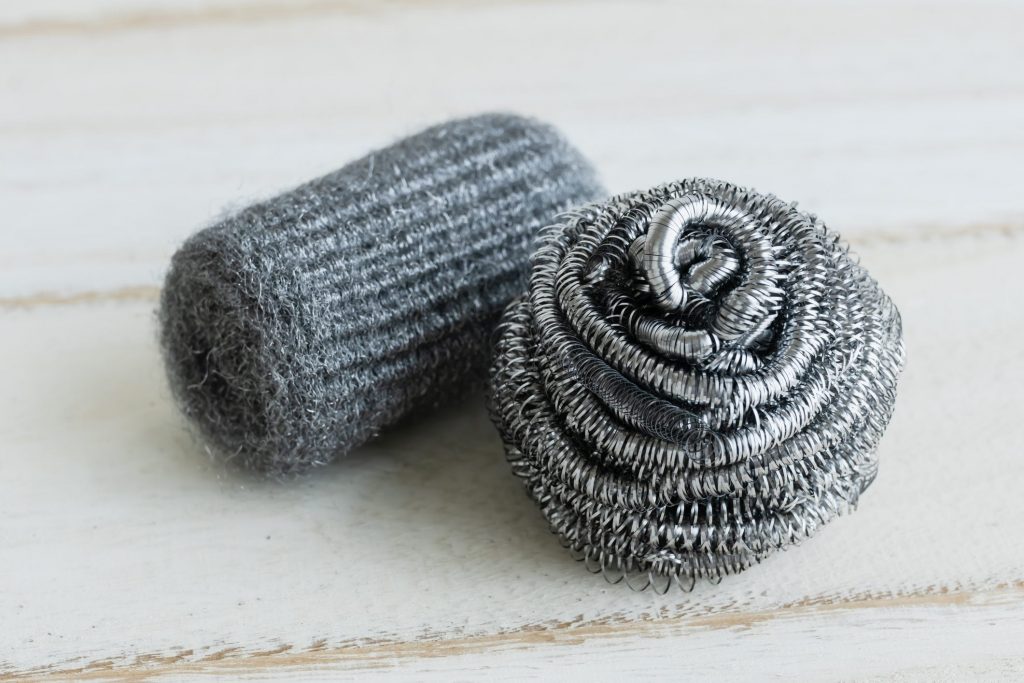
Steel wool can be one of the most useful cleaning tools in the house, shop, or commercial cleaning closet — but only when you pick the right grade for the right surface.
Steel wool is one of those old-school cleaning products that still earns its place on the shelf. It does not look fancy. It does not have a smart sensor, a rechargeable battery, or a trendy scent. But when you need to remove rust, clean rough metal, polish certain surfaces, strip buildup, or cut through baked-on grime, steel wool can still do jobs that ordinary sponges cannot touch.
The trick is knowing which type to use.
Steel wool is not one product. It comes in different grades, from extremely fine to very coarse. A super-fine pad can polish, buff, and lightly clean. A coarse pad can strip old paint, remove stubborn rust, and scrub heavy buildup. Use the wrong one, though, and you can scratch stainless appliances, ruin nonstick cookware, dull polished fixtures, or leave tiny metal fragments behind that later rust.
That is why steel wool is both powerful and risky. It is not a “scrub everything” tool. It is a precision cleaning tool.
What Is Steel Wool?
Steel wool is made from thin strands of steel bundled together into a pad, roll, or scrubber. It is used as a flexible abrasive for cleaning, smoothing, polishing, buffing, refinishing, and stripping tasks.
The grade of steel wool controls how aggressive it is. The more zeroes in the grade, the finer and gentler the steel wool usually is. The higher the whole number, the more aggressive it becomes.
The Main Steel Wool Grades
Most household and professional steel wool falls into several common grades. Each grade has a different purpose, and choosing the right one can make the difference between cleaning a surface and damaging it.
| Grade | Common Name | Best For |
|---|---|---|
| #0000 | Super fine / ultra fine | Final polishing, delicate buffing, wax application, light metal polishing |
| #000 | Extra fine | Light cleaning, polishing, buffing, refinishing |
| #00 | Very fine | Controlled cleaning with slightly more bite |
| #0 | Fine | General cleaning, smoothing, and light buildup removal |
| #1 | Medium | Removing wax buildup, light rust, and surface prep |
| #2 | Medium coarse | Heavier cleaning, grill grates, and rougher metal jobs |
| #3 | Coarse | Paint removal, rust removal, and rough stripping |
| #4 | Extra coarse | Heavy stripping, aggressive cleaning, paint, and varnish removal |
In simple terms, #0000 is for finesse. #4 is for force.
Super Fine Steel Wool: #0000
Grade #0000 steel wool is the gentlest commonly available grade. It is often used for polishing, finishing, buffing, and delicate cleaning. It can be useful for light rust, certain glass-cleaning jobs, chrome polishing, wax application, and fine wood finishing.
This grade is commonly used by woodworkers and restoration professionals because it can help smooth finishes without being as aggressive as coarse steel wool. It can also be used carefully on certain metals such as copper, bronze, chrome, aluminum, and stainless steel.
That said, caution matters. Some cleaning professionals use #0000 steel wool on uncoated glass, especially for hard water spots or construction debris. But steel wool can scratch glass if the wrong grade is used, the glass is coated, or the surface is dry.
The safer rule is this: only use #0000 on glass when you are absolutely sure the glass is uncoated, test a hidden area first, keep the surface wet, and avoid mirrors, tinted glass, coated shower doors, automotive glass, and specialty glass.
Extra Fine and Very Fine Steel Wool: #000 and #00
Grades #000 and #00 are still fine, but they offer more cleaning power than #0000. These grades are useful for light-to-moderate cleaning jobs where a sponge is too weak but coarse steel wool would be too aggressive.
These grades are often helpful for cleaning metal hand tools, removing light rust from chrome or steel, polishing certain metal surfaces, cleaning grill grates, removing old wax from woodwork, smoothing between finish coats, and scrubbing durable cookware when the finish is not delicate.
This is the middle-ground area of steel wool. It gives you cleaning power without jumping straight to a rough stripping pad.
Medium Steel Wool: #0 and #1
Grade #0 and #1 steel wool are stronger general-purpose options. They are less about polishing and more about cutting through buildup, residue, oxidation, and rough surface contamination.
These grades can work well for cleaning dirty metal, preparing painted surfaces, removing wax buildup, lightly smoothing wood, cleaning copper pipes before soldering, and removing stubborn grime from surfaces that can tolerate abrasion.
For commercial cleaning or maintenance work, this is where steel wool starts becoming more of a restoration and prep tool than a simple household scrubber. It can help bring back neglected metal, clean rough surfaces, and prepare areas before refinishing. But it should not be used casually on decorative finishes, polished surfaces, or appliances.
Coarse Steel Wool: #2, #3, and #4
Coarse steel wool is the heavy-duty end of the category. Grade #2, #3, and #4 steel wool can remove rust, old paint, varnish, heavy buildup, and rough grime.
This is the steel wool you reach for when the job is already rough. Think old metal furniture, rusty tools, grill grates, paint prep, or stripping old finishes.
The downside is obvious: coarse steel wool can scratch quickly and deeply. It should not be used on finished stainless appliances, delicate fixtures, nonstick pans, natural stone, plastic, glass, or decorative surfaces.
Cleaning Uses for Steel Wool
Steel wool shines when the surface is durable and the buildup is stubborn. Some of the best uses include removing rust from tools, cleaning grill grates, scrubbing cast iron exteriors, polishing chrome carefully, cleaning copper pipes before soldering, buffing wood finishes, stripping old paint, cleaning certain porcelain surfaces, removing wax buildup, and helping with floor and wood restoration work.
It is especially useful when paired with the right cleaner or lubricant. For example, water and dish soap can help with kitchen grime. Mineral spirits or wood finish products may be used in refinishing work. Oil can help when removing rust from tools.
However, oily steel wool must be handled carefully. Oil-soaked steel wool, rags, or paper towels can become a fire hazard if improperly discarded. If you use oil with steel wool, follow the disposal directions on the product label and do not leave oil-soaked material piled up in a trash can.
Using Steel Wool in the Kitchen
Steel wool can be excellent in the kitchen, but only on the right surfaces.
It can help clean grill grates, oven racks, some stainless cookware interiors, cast iron exteriors, sheet pans, and heavily baked-on food. Steel wool soap pads are also popular because they come preloaded with soap and can cut through tough grime.
However, steel wool should not be used on nonstick cookware. It can damage the coating, reduce the nonstick effect, and potentially create food-safety concerns if the coating begins to chip or flake. It should also be avoided on enamel-coated cookware unless the manufacturer specifically allows it.
A good kitchen rule is this: if the surface has a coating, skip the steel wool.
Using Steel Wool on Stainless Steel
This is one of the most confusing areas because “stainless steel” covers a wide range of surfaces.
A stainless steel pan is not the same as a brushed stainless refrigerator door. Some people use fine steel wool on stainless cookware, especially when removing cooked-on food or discoloration. But using steel wool on stainless appliances can leave scratches, dull the finish, and create tiny embedded steel particles that later rust.
For a commercial cleaner or homeowner, the safer approach is this: do not use regular steel wool on stainless appliances, elevator panels, restroom partitions, decorative fixtures, or polished stainless surfaces. Use a manufacturer-approved stainless cleaner, microfiber cloth, non-scratch pad, or stainless-safe scrubber instead.
Regular Steel Wool vs. Stainless Steel Wool
Regular steel wool is typically made from low-carbon steel. It is affordable, widely available, and effective, but it rusts if left wet. That means it can leave behind tiny fragments that turn into rust stains.
Stainless steel wool is made for wet or corrosive environments where regular steel wool may discolor or break down. It may be a better option when moisture is involved, but it can still scratch. Stainless does not mean non-abrasive. It simply means it is more resistant to rust.
Bronze Wool and Other Alternatives
Bronze wool is another option often used in marine, automotive, and restoration work. It is softer than steel and does not rust the same way regular steel wool does, which makes it useful around moisture and certain metals.
Synthetic scouring pads are another alternative. They do not rust, they come in different levels of abrasiveness, and they are often safer for general cleaning. Sometimes a white non-scratch pad, blue scrub pad, melamine sponge, nylon brush, or microfiber cloth is the smarter choice.
In other words, steel wool is not always the best answer. It is powerful, but it is not universal.
Surfaces You Should Not Clean With Steel Wool
Steel wool can damage expensive surfaces fast. Avoid using it on nonstick pans, finished stainless appliances, polished chrome fixtures, brass fixtures, natural stone countertops, plastic, acrylic tubs, fiberglass showers, coated glass, mirrors, delicate tile, painted surfaces you do not want to dull, and finished wood unless you are intentionally refinishing it.
That does not mean steel wool has no place in professional cleaning. It means it should be treated like a controlled abrasive, not a general sponge.
Safety Tips When Using Steel Wool
Steel wool can cut skin, shed tiny metal fibers, rust, and damage surfaces if misused. A few practical safety rules make a big difference.
Wear gloves when handling it. Test first in a hidden area. Use the least aggressive grade that will do the job. Keep the surface lubricated when appropriate. Do not use steel wool around electrical components. Do not leave wet steel wool sitting on sinks, counters, tile, or tubs. Store it dry. Dispose of oil-soaked steel wool properly. And when in doubt, step down to a gentler pad.
The Bottom Line
Steel wool is one of the most useful cleaning tools because it gives you levels of abrasion. It can polish lightly, scrub aggressively, strip finishes, remove rust, and restore surfaces that ordinary sponges cannot handle.
But the grade matters.
Use #0000 when you need a gentle polish. Use #000 or #00 for light cleaning and buffing. Use #0 or #1 for general buildup and surface prep. Use #2, #3, or #4 for heavy-duty cleaning, stripping, and rust removal.
The future of cleaning may be full of high-tech gadgets and specialty chemicals, but steel wool still proves that sometimes the simplest tool in the closet is also one of the most powerful. The key is respect. Used correctly, it can save a surface. Used carelessly, it can ruin one.
Comments