

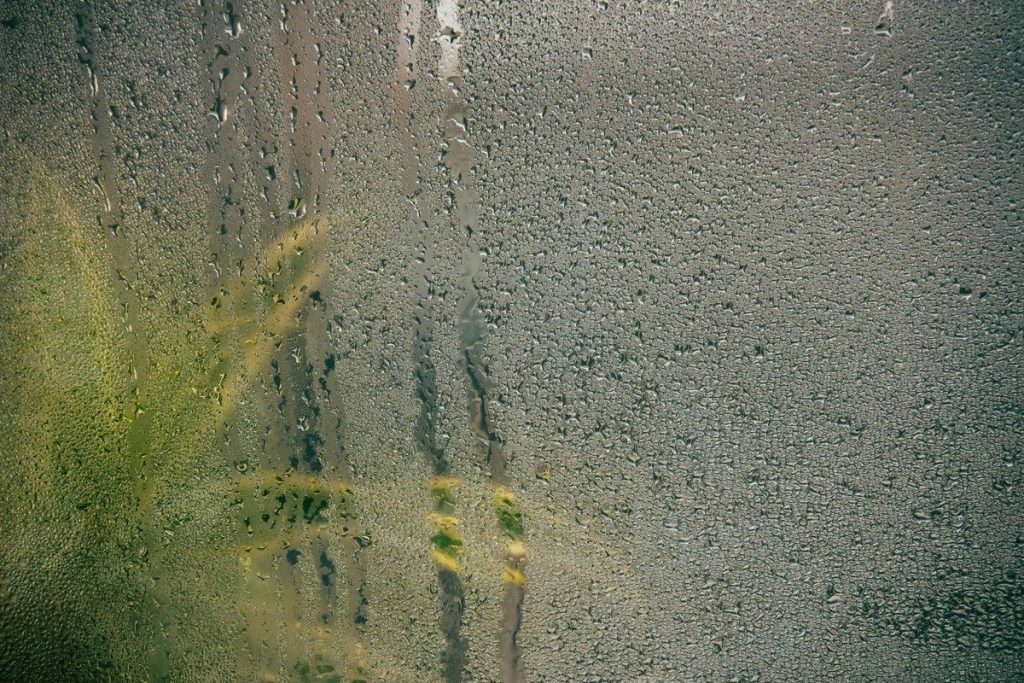
Hard water spots can make clean windows look cloudy, but the right method can bring the glass back without scratching or damaging it.
Water stains on glass windows can be frustrating because they make a window look dirty even after you have cleaned it. You wipe the glass, dry it, step back, and those cloudy spots are still sitting there like they own the place.
Most of the time, those marks are caused by hard water. When sprinkler water, rainwater, hose water, or mineral-heavy tap water dries on glass, it can leave behind calcium, magnesium, lime, and other mineral deposits. Over time, those spots can become stubborn and harder to remove.
The good news is that most water stains can be cleaned with the right approach. The key is using something that breaks down mineral buildup without damaging the glass, window tint, frame, or surrounding surface.
Start by Washing the Window First
Before attacking the water stains directly, wash the window with a basic glass-cleaning solution or a little dish soap and water. This removes dust, dirt, pollen, and loose grime from the surface.
That matters because if you start scrubbing a dirty window, you can drag tiny particles across the glass and create scratches.
Use a soft microfiber cloth, sponge, or window washer. Rinse the glass well, then dry it lightly. Once the surface dirt is gone, you can see the actual water stains more clearly.
Try White Vinegar for Light Water Spots
White vinegar is one of the simplest and most affordable ways to treat hard water spots on glass. Vinegar is acidic, so it can help loosen mineral deposits.
Mix equal parts white vinegar and warm water in a spray bottle. Spray the stained glass generously and let it sit for about 5 to 10 minutes. Do not let it dry on the glass. After it has had time to work, wipe the window with a microfiber cloth or non-scratch sponge.
For tougher spots, you can use vinegar at full strength. Soak a cloth in vinegar, press it against the stained area, and let it sit for several minutes before wiping.
Afterward, rinse the glass with clean water and dry it completely.
Use Lemon Juice for Smaller Spots
Lemon juice can also help with light mineral stains because it is acidic. It works best on small areas rather than large windows.
Cut a lemon in half and rub it directly over the water spots, or apply lemon juice with a cloth. Let it sit briefly, then wipe and rinse.
This can be a good option if you want something simple and fresh-smelling, but vinegar is usually more practical for larger windows.
Make a Baking Soda Paste for Stubborn Spots
For water stains that need a little extra help, baking soda can add gentle scrubbing power.
Mix baking soda with a small amount of water to make a paste. Apply it to the stained area with a damp microfiber cloth or soft sponge. Rub gently in small circles. You do not need to press hard. The goal is to loosen the mineral buildup, not grind into the glass.
After scrubbing, rinse the area well. Baking soda can leave a film if it is not fully removed, so follow up with a vinegar-and-water spray or glass cleaner, then dry the glass.
This method works well when vinegar alone is not quite enough.
Use a Non-Scratch Scrub Pad Carefully
Sometimes water stains need a little more agitation. A non-scratch scrub pad can help, especially on exterior windows that have been hit by sprinklers for months.
Use plenty of water or cleaning solution so the glass stays lubricated. Scrub gently and keep checking your progress. Avoid using harsh scouring pads, regular steel wool, or anything meant for heavy-duty metal cleaning.
Some professionals use #0000 super-fine steel wool on certain exterior glass, but I would only recommend that with caution. It should only be used on plain, uncoated glass, with plenty of lubrication, and after testing in a small corner first. Never use steel wool on tinted windows, coated glass, mirrors, plexiglass, or specialty windows.
Try a Commercial Hard Water Stain Remover
If the stains are heavy, a commercial hard water stain remover may be the best option. These products are designed to break down mineral buildup faster than vinegar.
Look for a product that clearly says it is safe for glass. Follow the label directions closely, wear gloves if recommended, and avoid getting it on stone, metal finishes, painted trim, or landscaping.
Commercial removers can be very effective, but stronger does not always mean safer. Always test a small area first.
Use a Razor Blade Only on the Right Glass
A razor scraper can help remove certain deposits, paint specks, or stuck-on debris from glass, but it has to be used correctly.
Only use a sharp, clean razor blade on flat, untreated glass. Wet the glass first with soapy water or glass cleaner. Hold the blade at a low angle and move in one direction. Do not scrape back and forth aggressively.
Never use a razor blade on tinted glass, coated glass, tempered glass with surface defects, plexiglass, acrylic, mirrors, or decorative glass. If you are not sure what kind of glass you have, skip the razor.
Used wrong, a razor can scratch the window fast.
Do Not Let Cleaners Dry on the Glass
One of the biggest mistakes people make is spraying vinegar or cleaner on the window and letting it dry. That can leave streaks, residue, or even more spotting.
When cleaning water stains, work in sections. Spray the area, let the product dwell for a few minutes, scrub or wipe, then rinse and dry.
This is especially important outside in the sun. Hot glass can cause cleaners to evaporate quickly, making the job harder. If possible, clean windows in the morning, evening, or when the glass is shaded.
Dry the Glass Completely
Water stains happen when water dries on the glass. So after cleaning, drying matters.
Use a clean microfiber towel or a squeegee to remove water from the window. Then buff the edges and corners where water tends to collect.
A squeegee can make a big difference because it removes water evenly instead of just spreading it around.
How to Prevent Water Stains From Coming Back
Once the glass is clean, prevention is the real win.
If sprinklers are hitting your windows, adjust them so they spray away from the glass. Sprinkler water is one of the biggest causes of stubborn exterior water spots because it often contains minerals.
After washing exterior windows, squeegee them dry instead of letting them air-dry. For shower glass or interior glass that gets wet often, wipe it down regularly before minerals have time to build up.
You can also use a glass protectant or rain-repellent product on some exterior windows, but make sure it is safe for your type of glass and follow the directions.
What Not to Use on Glass Windows
Avoid harsh abrasive powders, rough scouring pads, metal scrubbers, and aggressive scraping. These can scratch the glass or damage coatings.
Do not use acidic cleaners on nearby natural stone, marble, granite, or delicate metal finishes. If you are cleaning windows near stone sills or specialty trim, protect those surfaces before applying vinegar or hard water remover.
Also avoid mixing cleaning chemicals. Never mix vinegar with bleach. Never mix different commercial cleaners together. More chemicals do not mean better cleaning — sometimes they mean dangerous fumes.
When Water Stains May Be Permanent
Most water stains sit on top of the glass, but old mineral deposits can sometimes etch into the surface. If the glass still looks cloudy after vinegar, scrubbing, and hard water remover, the minerals may have damaged the glass itself.
At that point, cleaning may improve the appearance but not fully restore it. Severe etching may require professional polishing or, in extreme cases, glass replacement.
That is why it is best to handle water stains early before they sit for months or years.
The Bottom Line
Removing water stains from glass windows is all about breaking down mineral buildup without scratching the glass.
Start with a basic wash. Try vinegar for light stains. Use baking soda paste or a non-scratch pad for tougher spots. Move to a commercial hard water remover when needed. Be careful with razors and avoid anything abrasive unless you are sure it is safe.
And once the windows are clean, keep water from drying on them again. Adjust sprinklers, dry the glass after washing, and stay ahead of buildup.
Clean windows make a home or business feel brighter, fresher, and better maintained. With the right method, those cloudy water spots do not have to win.
Comments