

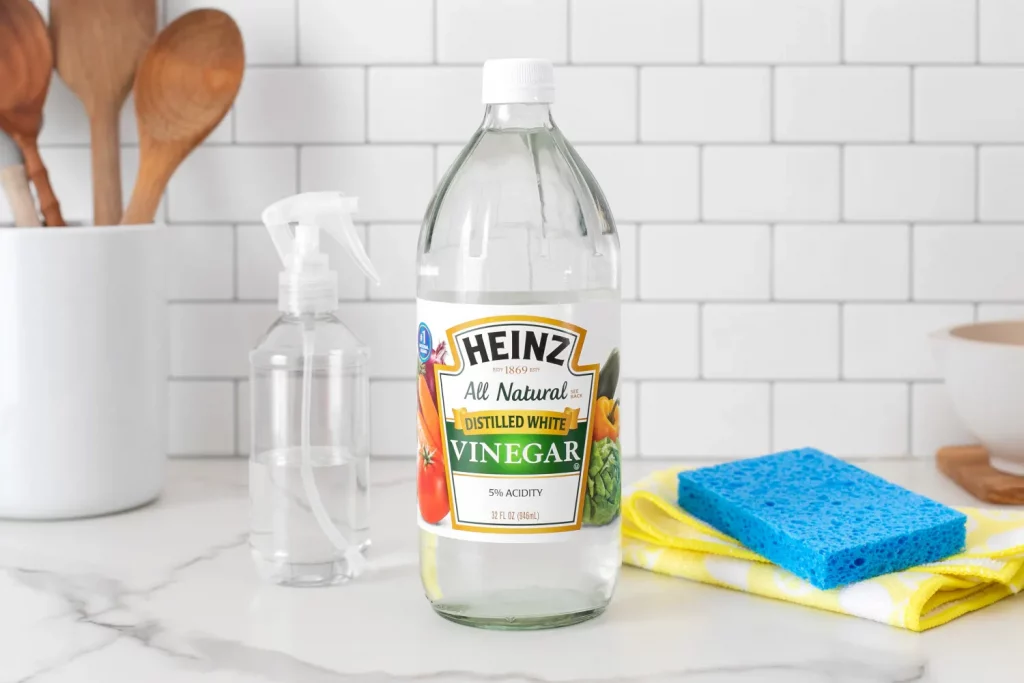
Vinegar is affordable, natural, and surprisingly useful around the house — but only when you know where it works and where it can cause damage.
Vinegar is one of those cleaning products that almost everyone has heard about. It is cheap, easy to find, and usually sitting somewhere in the kitchen already. For a lot of everyday cleaning jobs, plain white vinegar can be a helpful tool. It can cut through light grease, help remove mineral buildup, freshen certain surfaces, and make a home feel cleaner without reaching for a harsh-smelling chemical every time.
But vinegar is not magic.
It is also not safe for every surface. That is where people sometimes get into trouble. Vinegar is acidic, which is exactly why it works well on things like hard water spots and soap scum. But that same acidity can damage natural stone, dull certain finishes, harm some flooring, and create dangerous reactions if mixed with the wrong products.
So the key is not just knowing that vinegar can clean. The key is knowing how to use it correctly.
Why Vinegar Works as a Cleaner
White vinegar contains acetic acid, which gives vinegar its sharp smell and cleaning power. That mild acidity helps break down mineral deposits, water spots, soap residue, light grease, and some odors.
That makes vinegar useful in places where water leaves behind buildup. Think faucets, shower doors, glass, coffee makers, sinks, and certain bathroom surfaces.
For cleaning, the best choice is usually distilled white vinegar. It is inexpensive, clear, and does not leave behind color the way some darker vinegars can. Apple cider vinegar may smell a little softer, but it is not usually the better choice for cleaning because it can leave color or residue behind.
Start With a Basic Vinegar Cleaning Spray
A simple vinegar spray is one of the easiest ways to use it around the house.
Mix equal parts white vinegar and water in a clean spray bottle. For most everyday jobs, that is strong enough. If you are dealing with heavier hard water buildup, you can use vinegar with less water or even full-strength vinegar on certain safe surfaces.
A basic mix looks like this:
- 1 cup white vinegar
- 1 cup water
Spray it on the surface, let it sit for a few minutes, wipe with a microfiber cloth, and then rinse if needed.
If the vinegar smell bothers you, you can add a few drops of lemon essential oil or let citrus peels sit in vinegar for a few days before straining it into a spray bottle. Just remember that scented vinegar is still acidic, so the same surface warnings apply.
Clean Faucets and Hard Water Spots
One of vinegar’s best uses is removing hard water buildup around faucets. If you have cloudy white mineral deposits around the faucet base or on the faucet head, vinegar can help loosen them.
For a faucet head, soak a cloth or paper towel in white vinegar, wrap it around the area, and let it sit for 15 to 30 minutes. Then scrub gently with a soft brush or microfiber cloth.
For heavier buildup, you can fill a small plastic bag with vinegar, place it around the faucet head, and secure it with a rubber band. Let it soak, then remove the bag and run the water.
This works well because vinegar helps break down mineral deposits. Just be careful with specialty finishes like oil-rubbed bronze, brass, gold-tone fixtures, or anything with a delicate coating. On those, always test first or use the manufacturer’s cleaning instructions.
Freshen Shower Doors
Glass shower doors can get cloudy from soap scum and hard water spots. Vinegar can help cut through that film.
Spray the glass with a vinegar-and-water mix and let it sit for several minutes. Then wipe with a non-scratch sponge or microfiber cloth. Rinse well and dry the glass to prevent new spots from forming.
For tougher buildup, warm the vinegar slightly before spraying. Warm vinegar can work a little faster on soap scum. Just do not make it boiling hot, and never spray hot vinegar on cold glass.
Also, avoid using vinegar on natural stone showers. If your shower has marble, travertine, limestone, or other stone, vinegar can etch and dull the surface.
Clean the Microwave
Vinegar is great for loosening stuck-on food inside a microwave.
Add water and vinegar to a microwave-safe bowl. A good mix is about one cup of water with two tablespoons of vinegar. Microwave it for a few minutes until it steams, then let the door stay closed for another few minutes.
The steam helps soften splatters. After that, wipe the inside with a damp microfiber cloth.
This is one of my favorite vinegar cleaning tricks because it makes the microwave easier to wipe without scrubbing aggressively.
Deodorize and Clean the Garbage Disposal
If your garbage disposal smells rough, vinegar can help freshen it.
Pour a small amount of vinegar into the disposal, let it sit for a few minutes, then run cold water while turning the disposal on. You can also freeze vinegar in an ice cube tray and grind a few vinegar cubes in the disposal to help freshen the blades and loosen light residue.
For extra freshness, add a few small citrus peels while running cold water. Just do not overload the disposal with large peels or fibrous food scraps.
Remove Odors From Trash Cans
Trash cans can hold odor even after the bag is removed. Vinegar can help freshen them.
Spray the inside of the trash can with a vinegar-and-water mix, let it sit for several minutes, then wipe it out. For outdoor bins, you can rinse them after spraying.
Make sure the can dries completely before putting in a new bag. Moisture trapped under a trash bag can make odors come back faster.
Clean Windows and Mirrors Carefully
Vinegar can be used on glass, but the method matters.
Mix one part vinegar with one part water, spray lightly, and wipe with a microfiber cloth. Then buff dry with a clean, dry cloth.
The biggest mistake is using too much spray. Oversaturating mirrors can allow liquid to seep behind the edges, which can damage the backing over time. For mirrors, spray the cloth instead of spraying the mirror directly.
Also, do not use vinegar on tinted windows, coated glass, screens, or electronic displays.
Freshen the Dishwasher
Vinegar can help freshen the inside of a dishwasher and loosen light mineral buildup.
Place a dishwasher-safe cup filled with white vinegar on the top rack of an empty dishwasher. Run a hot cycle without detergent.
This can help with light odors and water deposits. However, do not overdo it. Using vinegar too often may not be ideal for rubber parts and seals. Think of this as an occasional freshening step, not something to do every few days.
Also, check your dishwasher manual. Some manufacturers may recommend specific cleaners instead.
Clean Coffee Makers
Vinegar can help descale some drip coffee makers by removing mineral buildup from water. A common method is to run a cycle with equal parts water and vinegar, followed by several cycles of plain water to rinse.
That said, always check the coffee maker’s manual first. Some machines, especially specialty coffee makers or espresso machines, may require a specific descaling product. Vinegar can be too harsh or leave behind a smell if not rinsed properly.
Remove Sticky Residue
Vinegar can help soften some sticky residue from jars, labels, and certain hard surfaces.
Soak a cloth in vinegar and place it over the sticky area for several minutes. Then wipe or gently scrape with a plastic scraper.
Do not use vinegar on unfinished wood, natural stone, or surfaces where moisture can seep in and cause swelling or dulling.
Clean the Refrigerator Interior
A diluted vinegar solution can be useful for wiping refrigerator shelves and walls.
Mix vinegar with water, wipe the surfaces, then follow with a clean damp cloth. Dry everything before putting food back inside.
This is a good option for light spills and odors. For raw meat spills or serious contamination, you may need a disinfecting cleaner that is appropriate for food-contact surfaces and used according to label directions.
Use Vinegar in the Laundry Room
Vinegar can be helpful in laundry, but it should be used carefully.
A small amount of white vinegar can help reduce odors in towels, workout clothes, and musty laundry. Some people add it to the rinse cycle to help remove detergent residue.
However, do not mix vinegar with bleach. That can create dangerous chlorine gas. Also, do not use vinegar every single load if your washer manufacturer warns against it, because repeated acid exposure may affect rubber parts over time.
For musty towels, wash them with detergent first. If they still smell, run another cycle with vinegar, then dry them completely. The drying step matters because damp towels are one of the biggest causes of sour smells.
Freshen Cutting Boards
For plastic cutting boards, vinegar can help with odor control. Spray or wipe the board with vinegar, let it sit briefly, then wash with hot soapy water and rinse.
For wooden cutting boards, be careful not to soak them. Too much moisture can cause wood to warp or crack. Wipe lightly, rinse quickly if needed, and dry right away.
For sanitizing cutting boards after raw meat, vinegar alone should not be treated as a guaranteed disinfectant. Use proper food-safety cleaning methods.
Clean Toilet Bowls
Vinegar can help with light toilet bowl rings and mineral staining.
Pour vinegar into the bowl and let it sit for 15 to 30 minutes. Scrub with a toilet brush and flush. For tougher mineral rings, you may need to repeat the process or use a stronger toilet bowl cleaner.
Never mix vinegar with bleach toilet cleaners or tablets. If there is bleach in the bowl or tank, do not add vinegar.
Clean Soap Scum Around the Sink
Bathroom sinks can get a dull film from toothpaste, soap, and hard water. A vinegar spray can help remove that residue from many sink surfaces.
Spray, let it sit briefly, wipe with a cloth, and rinse. This works especially well on porcelain sinks, but avoid vinegar on natural stone vanities or delicate metal fixtures.
Where You Should Not Use Vinegar
Vinegar is useful, but there are places it does not belong.
Do not use vinegar on marble, granite, limestone, travertine, or other natural stone. The acid can etch the surface and leave dull spots.
Avoid vinegar on hardwood floors, especially if you are not sure what finish is on them. It can dull or damage some floor finishes.
Do not use vinegar on nonstick pans, because it may affect the coating over time, especially if combined with scrubbing.
Avoid vinegar on electronic screens, including TVs, phones, tablets, laptops, and touchscreens.
Do not use vinegar on unsealed grout too often, because repeated acid exposure may weaken it.
Avoid vinegar on rubber parts as a frequent cleaner. Occasional use may be fine in some situations, but repeated acid exposure can be hard on rubber seals and gaskets.
And most importantly, do not mix vinegar with bleach.
Vinegar Cleaning Mistakes to Avoid
The biggest vinegar mistake is assuming natural always means safe. Vinegar may be natural, but it is still acidic.
Another mistake is mixing vinegar with baking soda and expecting a super cleaner. The fizz looks impressive, but vinegar and baking soda mostly neutralize each other. The bubbling action can help loosen debris in some situations, but the mixture itself is not always stronger than using the right product alone.
People also use vinegar too heavily. More is not always better. On many surfaces, diluted vinegar is safer and still effective.
The last mistake is skipping the rinse. If you use vinegar on a surface where residue could remain, wipe again with clean water and dry the area.
The Bottom Line
Vinegar is one of the most affordable and useful cleaning tools you can keep around the house. It is great for hard water spots, light soap scum, microwave steam cleaning, garbage disposal odors, windows, mirrors, trash cans, and certain laundry problems.
But vinegar is not an all-purpose miracle cleaner.
Use it where acidity helps. Avoid it where acidity can damage. Never mix it with bleach. Test surfaces first. And when a job calls for true disinfecting, use a disinfectant product that is made for that purpose.
Used the right way, vinegar can make cleaning simpler, cheaper, and a little less complicated. It may not replace every cleaner under the sink, but it definitely earns its place there.
Comments