
For decades, thrift stores carried a simple promise: donate what you no longer need, shop what someone else gave away, and keep useful items out of the landfill. But walk into many chain thrift stores today — especially Savers, Value Village, Goodwill, and larger regional stores — and the bargain-hunting experience can feel different. A used T-shirt might be priced close to new retail. A scratched pan might cost more than a clearance item at Walmart. A worn pair of jeans can sit on a rack with a tag that makes shoppers ask the same question: How is this so expensive when someone donated it for free?
The answer is complicated. Some thrift chains are nonprofits. Some are for-profit companies. Some receive goods directly from donors. Others buy donated goods from charity partners by the pound. But the frustration from shoppers is real: the public supplies the inventory, often for no direct payment, while the stores increasingly price items like traditional retailers.
The Savers model is not the same as a church thrift store
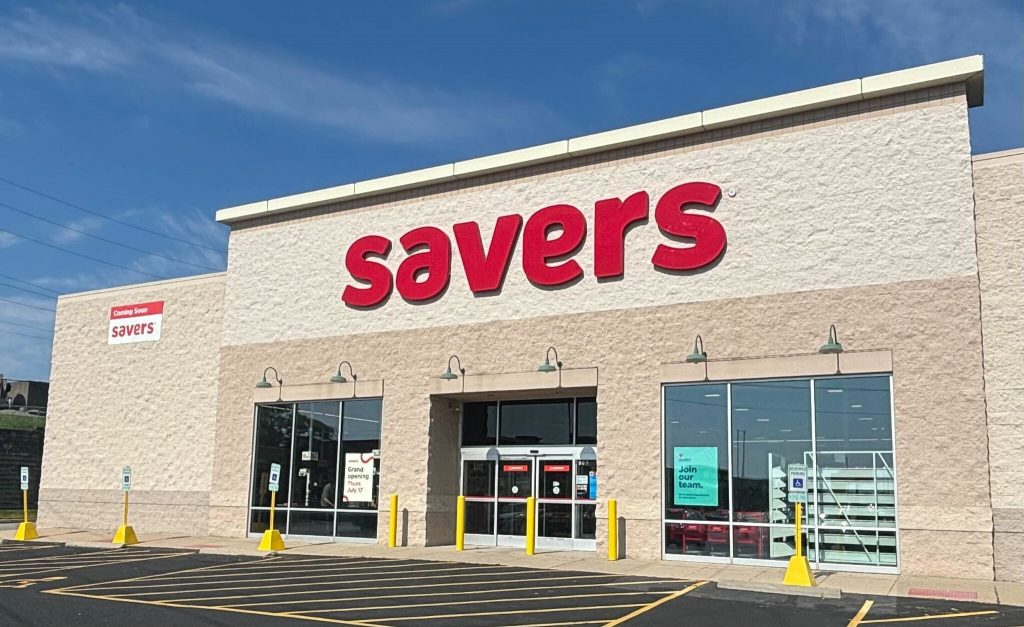
Savers Value Village is often misunderstood because it looks and feels like a charity thrift store. It partners with nonprofits, accepts donated goods, and promotes reuse. But Savers itself is a for-profit thrift retailer. Its own disclosures say TVI, Inc., doing business as Savers, is a for-profit commercial fundraiser accepting donations of secondhand clothing and household goods on behalf of the American Red Cross in certain locations. Some Savers location disclosures also say donated items are not distributed by the Red Cross but are sold in bulk to raise funds for charitable purposes.
That means a customer dropping off a bag of clothes may believe they are giving directly to a charity, but the retail path is more commercial. Savers says it purchases most secondhand items from local nonprofit organizations, giving those nonprofits revenue they can use for their missions. In its 2025 Impact & Sustainability Report, Savers said it paid nonprofit partners in the U.S., Canada, and Australia more than $490 million for donated goods from fiscal 2020 through 2024.
The key detail for shoppers is this: buying something inside a Savers store does not necessarily mean that sale directly funds a charity. In its SEC filing, Savers says purchases made by customers in its stores do not directly benefit nonprofit partners, though Savers pays a contractual rate to purchase donated items.
The numbers show why prices matter
Savers is not a small neighborhood resale shop. In fiscal 2025, the company reported $1.68 billion in net sales, up 9.2% from fiscal 2024, and ended the year with 367 stores. Its retail sales alone were about $1.6 billion.
The company’s filings also show how closely the business tracks donated goods by weight. Savers processed about 1.1 billion pounds of supply in fiscal 2025. It reported a sales yield of $1.47 per pound processed, up from $1.08 in fiscal 2019, and said its 2025 increase reflected items sold at higher price points, partly offset by fewer items sold per pound.
That one line explains a lot of the customer complaint. Even if prices vary widely by item, the company itself acknowledges that higher price points helped increase sales yield. To a shopper staring at a $9.99 used shirt or a $14.99 small appliance, the pricing may feel less like charity resale and more like retail optimization.
Goodwill is different, but shoppers still question the prices
Goodwill operates under a nonprofit model, but it is also a massive retail system. Goodwill Industries International says Goodwill is made up of more than 150 autonomous community-based nonprofit organizations across the U.S. and Canada, and its mission is supported by people who shop in Goodwill stores, donate goods, or give money.
Goodwill’s scale is enormous. In its 2024 Annual Impact Report, Goodwill reported 3,400 retail and outlet stores, nearly 140,000 employees, more than 2.1 million people receiving support, and 4.4 billion pounds of donated goods kept in circulation longer.
That mission matters. Goodwill stores do fund job training, career centers, and community programs. But the nonprofit label does not automatically answer the shopper’s core question: why does a donated item sometimes cost nearly as much as a new one?
The honest answer is that even “free” inventory is not free to operate. Thrift stores pay for buildings, utilities, employees, trucks, sorting, cleaning, disposal, security, software, insurance, and unsold merchandise handling. Savers, for example, reported $349 million in salaries, wages, and benefits in fiscal 2025, plus $374.5 million in selling, general, and administrative expenses.
Still, shoppers are not wrong to feel tension. The public donates the goods. The store sets the price. The customer carries the burden if the deal disappears.
The resale boom changed the thrift store
Thrifting used to be mostly about necessity, local charity, and hidden treasure. Now it is also fashion, content, side hustles, and resale platforms. ThredUp’s 2026 resale report projects the global secondhand apparel market will reach $393 billion by 2030, growing twice as fast as the overall apparel market. It also projects the U.S. secondhand apparel market will reach $78.8 billion by 2030.
That growth creates pressure. More shoppers means more demand. More resellers means more competition for better items. More online price-checking means thrift stores can compare used items against eBay, Poshmark, Depop, and Facebook Marketplace. Business Insider recently reported on the professionalization of secondhand resale, including resellers sourcing from Goodwill bins and flipping items online, while critics argue resellers contribute to price inflation and scarcity for people who rely on thrift stores for affordability.
In other words, thrift stores are no longer pricing only for the struggling family, the college student, or the retiree on a fixed income. Increasingly, they are pricing for a broader resale economy.
The legal controversy around Savers
Savers has already faced scrutiny over whether shoppers understood its for-profit status. In Washington, the state attorney general alleged Savers created the impression that it was a nonprofit or that purchases directly benefited charities. The Washington Supreme Court ultimately ruled unanimously in favor of Savers, finding its marketing practices were protected speech. The Associated Press reported that Savers is a for-profit company that pays charities for donations but does not give charities a direct cut of retail sales.
That ruling matters because it does not mean customers were never confused. It means the court did not accept the state’s legal argument. The broader consumer issue remains: thrift shoppers deserve clear signs explaining who gets paid, how donations are handled, and whether store purchases directly support a nonprofit.
What the investigation suggests
The problem is not that thrift stores charge money. They have to. The problem is when the pricing breaks the social contract that made thrift stores trusted in the first place.
People donate because they believe their items will help someone. Shoppers buy because they expect used goods to be affordable. Nonprofits depend on thrift revenue to support programs. For-profit thrift chains depend on the same donation culture to stock their stores. When prices climb too close to retail, the entire model starts to feel less like community reuse and more like a low-cost inventory pipeline.
The most defensible thrift pricing is transparent, fair, and visibly below normal retail value. The most questionable pricing happens when used, donated, damaged, or outdated items are tagged near or above the price of a comparable new product.
Red flags shoppers should photograph
For a strong local follow-up, document these examples:
A used item priced higher than the original retail sticker.
A damaged item with no discount.
Fast-fashion brands priced like premium brands.
Dollar Tree, Walmart, or Temu-type items priced above new retail.
Donation signs that imply charity benefit without clearly explaining the store’s for-profit role.
Savers or Value Village signage that says donations benefit a nonprofit, but separate disclosures that shopping does not directly benefit one.
Bottom line
Thrift stores are still valuable. They keep billions of pounds of goods in use, support jobs, fund programs, and give shoppers access to secondhand items. But the public has a fair reason to question the pricing. When donated goods are priced like regular retail, thrift stores risk losing the trust that built the industry.
The real issue is not simply that Savers, Goodwill, or other thrift chains charge more than they used to. The issue is transparency. Shoppers deserve to know whether a store is nonprofit or for-profit, whether purchases directly support charity, how donated goods are monetized, and why a used product sometimes costs almost as much as buying it new.
Investigative finding: The goods may be donated, but the modern thrift business is no longer simple charity resale. It is a large, data-driven retail economy built on public donations, nonprofit partnerships, rising demand, and increasingly aggressive pricing.
Comments
Comments are closed for this article.