

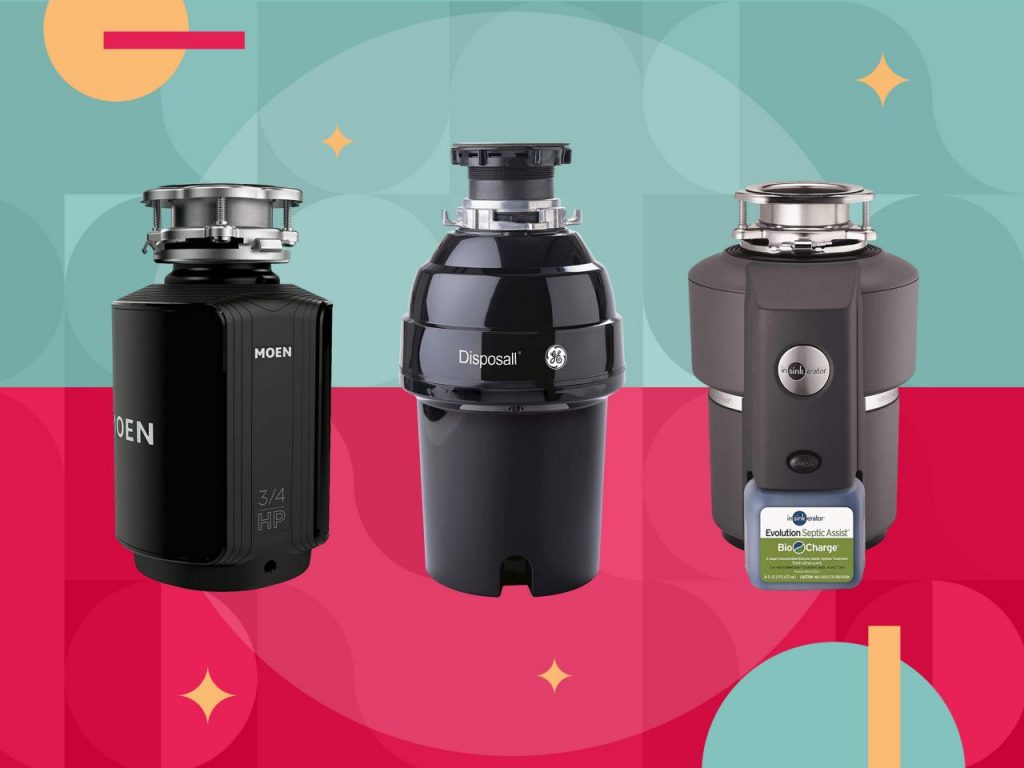
Your garbage disposal does a dirty job every day, but with the right care, you can keep it smelling better, running smoother, and lasting longer.
The garbage disposal is one of those kitchen tools most people do not think about until something goes wrong. It sits under the sink, quietly chewing through food scraps, rinsing away messes, and helping keep the kitchen cleaner. Then one day it starts smelling bad, draining slowly, making a strange noise, or refusing to turn on.
That is when it gets your full attention.
The good news is that garbage disposal care is usually pretty simple. You do not need a complicated routine. You just need to know what to put in it, what to keep out of it, how to clean it, and how to treat it like a piece of equipment instead of a magic hole in the sink.
A garbage disposal can be incredibly useful, but it is not a trash can. That is the biggest thing to remember.
How a Garbage Disposal Actually Works
A lot of people imagine a garbage disposal working like a blender with sharp blades spinning at the bottom. That is not really how it works.
Most disposals use a spinning plate with small impellers that fling food scraps against a grinding ring. The food is broken down into smaller particles, then washed through the plumbing with water.
That means water is a major part of the process. If you run the disposal without enough water, food particles can stick, collect, and create odor. If you shut the water off too quickly, small bits of food can sit in the disposal or pipes instead of flushing away.
The disposal is only part of the system. The water helps finish the job.
Run Cold Water Before, During, and After
One of the best habits you can build is running cold water every time you use the garbage disposal.
Turn on the cold water first, then turn on the disposal. Let the water run while the disposal is grinding, and keep it running for a few seconds after you turn the disposal off.
Cold water helps move food particles through the system and can help keep fats and grease more solid, making them easier to chop up and flush away. Hot water may seem like a better cleaning choice, but it can soften grease and allow it to coat the disposal or pipes. Once that grease cools, it can harden and contribute to clogs.
For everyday use, cold water is the safer choice.
Feed Food Scraps Slowly
A garbage disposal works better when it is not overloaded.
Instead of packing the drain with food and then turning on the disposal, feed scraps gradually while the water is running. Small amounts are easier for the unit to grind and easier for the plumbing to carry away.
This matters especially with heavier scraps. If you try to shove too much down at once, you can jam the disposal, slow the drain, or leave food trapped inside the grinding chamber.
Think of it like feeding a paper shredder. A few sheets at a time works better than forcing in a whole stack.
What You Can Put in the Garbage Disposal
A garbage disposal can handle many soft food scraps in small amounts.
Small bits of cooked vegetables, soft fruit scraps, tiny pieces of leftover food, citrus peels in moderation, and small crumbs from plates are usually fine.
The key phrase is “small amounts.” Even disposal-friendly scraps can cause problems if you throw too much in at once.
If you are scraping a plate after dinner, that is one thing. If you are trying to clear out a whole casserole dish, a pile of potato peels, or half a pot of rice, that is when the disposal becomes the wrong tool.
What You Should Not Put in the Garbage Disposal
This is where most garbage disposal problems start. People put things down the disposal that should have gone in the trash or compost.
Avoid putting grease, oil, fat, bones, eggshells, coffee grounds, pasta, rice, potato peels, onion skins, corn husks, celery, asparagus, banana peels, fruit pits, seafood shells, and large amounts of fibrous food into the disposal.
Grease is one of the biggest problems. It may go down as a liquid, but it can cool and harden inside the pipes.
Rice and pasta are also troublemakers because they can continue swelling with water and form a sticky clog.
Coffee grounds seem harmless, but they can collect like sludge in the drain line.
Fibrous foods like celery, corn husks, and onion skins can wrap around parts inside the disposal and contribute to jams.
Eggshells are debated, but I prefer to keep them out. The thin membrane can create problems, and the gritty shell pieces can collect in pipes.
When in doubt, throw it out.
Keep Grease Out of the Sink
If there is one rule that protects both the disposal and your plumbing, it is this: do not pour grease down the drain.
Grease from bacon, ground beef, sausage, butter, sauces, gravies, and frying oil can coat the inside of your pipes. Over time, that buildup can trap food particles and lead to slow drains or clogs.
Instead, let grease cool in a container, then throw it in the trash. You can also wipe greasy pans with a paper towel before washing them.
This one habit can save you from a lot of plumbing trouble.
Clean the Disposal With Dish Soap and Cold Water
A simple cleaning routine can make a big difference.
Once a week, squirt a little dish soap into the disposal, turn on cold water, and run the disposal for about 20 to 30 seconds. This helps wash away grease film, food residue, and odors.
You do not need to overcomplicate it. Dish soap and water are often enough for basic maintenance.
After heavy cooking, especially if the sink has handled sauces, meat residue, or greasy pans, this is a good quick reset.
Use Ice Cubes to Help Knock Loose Buildup
Ice cubes can help clean the grinding chamber by knocking loose small bits of stuck-on food and residue.
Drop a handful of ice cubes into the disposal, turn on cold water, and run the disposal. The ice helps scrape and rattle around inside the chamber as it breaks apart.
Some people like to add a small amount of coarse salt with the ice for extra scrubbing action. That can be useful, but do not overdo it. A small amount is enough.
This is a good trick when the disposal smells a little stale or sounds like it has some residue inside.
Freshen It With Citrus Peels
Citrus peels can help freshen the disposal and make the sink smell better.
Use small pieces of lemon, lime, orange, or grapefruit peel. Run cold water, turn on the disposal, and feed in a few pieces at a time.
The citrus oils help with odor, and the peels can help lightly clean as they grind.
The important thing is moderation. Do not stuff a whole lemon or a large pile of peels down the disposal. Too much citrus peel can still create strain or clogging issues.
A few small pieces are plenty.
Try Baking Soda and Vinegar for Odor
If your disposal smells sour, baking soda and vinegar can help freshen it.
Pour about half a cup of baking soda into the disposal. Follow with one cup of white vinegar. Let it fizz for several minutes, then flush with cold water and run the disposal.
This is more of a deodorizing and light freshening trick than a deep repair. It can help with odors, but it will not fix a serious clog or a disposal packed with stuck food.
Also, never mix vinegar with bleach or any drain cleaner. If you have used a chemical drain product recently, do not add vinegar or anything else unless the label says it is safe.
Clean the Rubber Splash Guard
The rubber splash guard is one of the grossest parts of the garbage disposal, and it is also one of the most forgotten.
Food particles, grease, and bacteria can collect on the underside of the rubber flaps. Even if the disposal itself is clean, the splash guard can still smell bad.
To clean it, turn off the disposal and make sure it will not accidentally start. Lift the rubber flaps carefully and scrub the underside with an old toothbrush, dish soap, and warm water. Wipe around the opening with a cloth.
If your splash guard is removable, take it out and wash it separately. Let it dry before putting it back.
This one step can make a huge difference in sink odor.
Do Not Reach Into the Disposal
This should be obvious, but it is worth saying clearly: never put your hand into the garbage disposal.
Even when the switch is off, it is not worth the risk. If something falls into the disposal, turn off the power to the unit first. Use tongs or pliers to remove the object.
If the disposal is jammed, use the proper reset and unjamming steps for your model. Many disposals have a hex key slot underneath that allows you to manually turn the motor and free a jam. But always check your owner’s manual and cut power before working around the disposal.
Safety comes first.
What to Do If the Disposal Smells Bad
A bad-smelling disposal usually means food residue is trapped somewhere.
Start with the simple steps. Run cold water and dish soap through it. Clean the rubber splash guard. Grind a few ice cubes. Use a few citrus peels. Try baking soda and vinegar.
If the smell still does not go away, the issue may be deeper in the drain line, the P-trap, or the dishwasher connection if your dishwasher drains through the disposal.
Sometimes the disposal gets blamed when the odor is actually coming from plumbing buildup.
If the smell is strong, rotten, or keeps coming back quickly, it may be time to have the drain checked.
What to Do If the Disposal Stops Working
If your garbage disposal will not turn on, do not panic.
First, make sure it is getting power. Check the switch and the outlet if the disposal plugs in under the sink. Then look for the reset button on the bottom of the unit. Many disposals have a small red reset button that pops out when the motor overheats or jams.
Press the reset button, wait a moment, and try again.
If the disposal hums but does not grind, it may be jammed. Turn off the power before doing anything else. Many units come with a small hex wrench that fits into the bottom of the disposal. Turning it back and forth can help free the jam.
If you are not comfortable doing that, call a professional. A garbage disposal is not worth an injury.
What to Do If the Disposal Drains Slowly
Slow draining can happen when food particles, grease, or sludge build up in the plumbing.
First, run cold water and the disposal to see if it clears. If that does not help, avoid dumping chemical drain cleaner into the disposal unless your disposal and drain cleaner labels specifically say it is safe. Some products can damage components or create dangerous conditions if mixed with other cleaners.
A plunger may help if the clog is in the sink drain, but use it carefully and make sure the opposite sink drain is covered if you have a double sink.
If slow draining keeps happening, the issue may be beyond the disposal. That usually means it is time to clean the trap or call a plumber.
Keep the Disposal Dry When Not in Use
Moisture is part of using a disposal, but constant dampness can contribute to odor.
After you finish using the sink, let the water drain completely. Keep the splash guard clean. Avoid leaving food scraps sitting in the disposal overnight.
If you cook dinner and scrape plates into the sink, run the disposal before going to bed. Food left sitting in the chamber can sour and smell by morning.
A disposal should not be treated like a holding tank. Use it, flush it, and leave it clean.
Use It Regularly
Oddly enough, not using your garbage disposal can also cause problems.
If a disposal sits unused for long periods, parts can become stiff, residue can dry out, and odors can develop. Running it regularly with cold water helps keep the parts moving and the chamber flushed.
Even if you do not use it much, turn it on occasionally with water to keep it in good working condition.
Be Careful With Commercial Disposal Cleaners
There are plenty of disposal cleaning packets, foaming cleaners, tablets, and fresheners on the market. Many of them can be useful, especially for odor control.
Just make sure you follow the directions. More product does not always mean better cleaning. Also, do not mix different cleaning products together.
If you use a commercial disposal cleaner, think of it as maintenance, not a substitute for good habits. You still need to keep grease out, avoid problem foods, run water properly, and clean the splash guard.
A Simple Weekly Garbage Disposal Routine
A good garbage disposal routine does not need to be complicated.
Once a week, run cold water, add a little dish soap, and turn on the disposal for 20 to 30 seconds. Then grind a handful of ice cubes. After that, use a few small citrus peels if you want a fresher smell. Wipe the sink opening and clean under the splash guard.
That simple routine can help prevent odors and keep the disposal feeling cleaner.
Once a month, do a deeper clean of the splash guard and surrounding sink area. If your disposal gets heavy use, clean it more often.
Signs Your Garbage Disposal May Need Repair or Replacement
Sometimes cleaning is not enough.
If your disposal constantly jams, smells bad no matter what you do, leaks from the bottom, makes loud grinding noises, drains slowly all the time, or needs frequent resets, it may be worn out or damaged.
A leak from the bottom of the unit is especially important. That can mean the internal seal has failed, and replacement may be more realistic than repair.
Garbage disposals do not last forever. Good care can extend their life, but eventually they wear out like any other appliance.
The Bottom Line
Taking care of your garbage disposal is really about building small habits.
Run cold water. Feed food slowly. Keep grease out. Avoid fibrous foods, coffee grounds, rice, pasta, bones, and large scraps. Clean the rubber splash guard. Use dish soap, ice, and occasional citrus to keep things fresh.
Most disposal problems come from treating it like a trash can. It is not. It is a helper for small food scraps, and it works best when you use water, patience, and common sense.
With the right care, your garbage disposal can stay cleaner, smell better, and work harder for years.
Comments